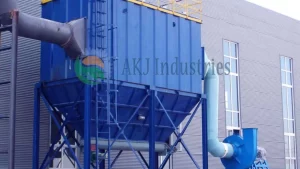
Modern industrial environments, maintaining clean air and controlling dust pollution are extremely important for operational efficiency, worker safety, and environmental protection. Industries such as pharmaceuticals, cement, food processing, chemicals, metal fabrication, woodworking, textiles, and manufacturing units generate large amounts of dust, fumes, and airborne particles during production processes.
For maintaining a controlled environment to prevent product quality, damage machinery, reduce workplace safety, and create environmental hazards, an efficient Filtration system is essential.
One of the most efficient solutions for industrial dust collection and air filtration is a cartridge filter system. Cartridge filters are widely used in industries because of their compact design, high filtration efficiency, easy maintenance, and long operational life.
What is a Cartridge Filter?
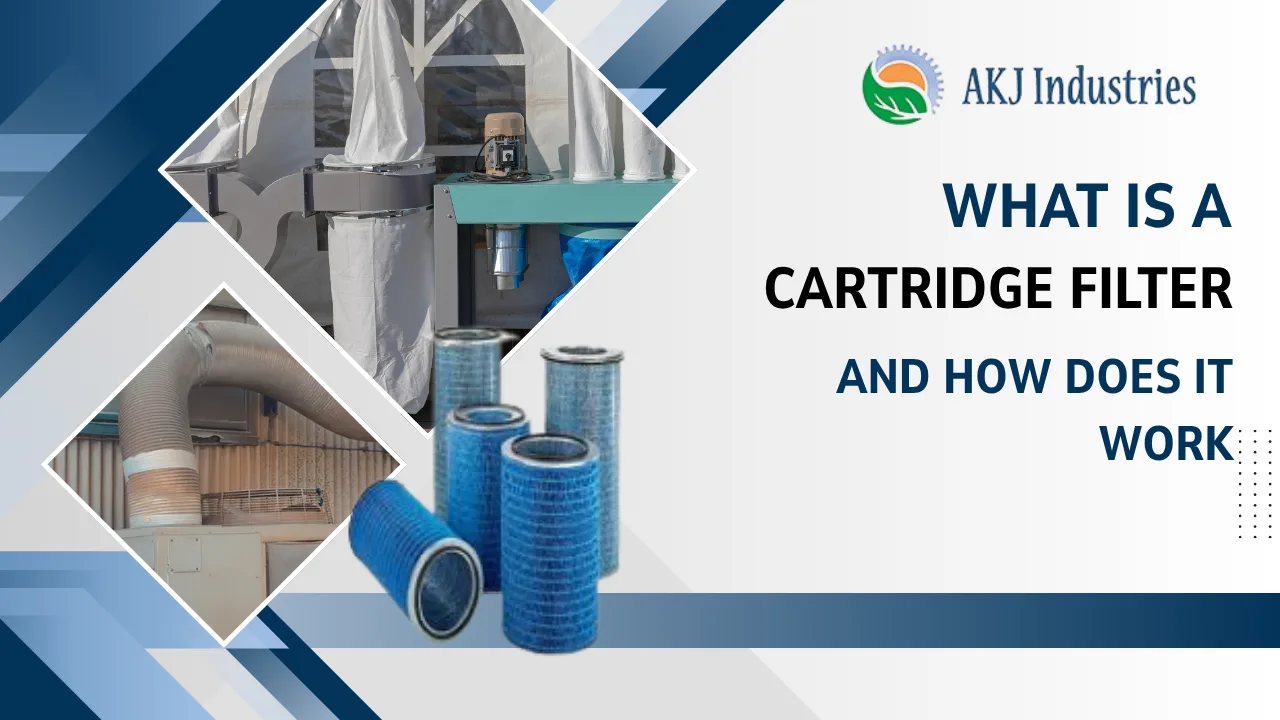
A cartridge filter is a type of industrial filtration system used to remove fine dust particles, smoke, fumes, and contaminants from air or gas streams. It uses specially designed cylindrical filter cartridges made from pleated filtration media that trap airborne particles while allowing clean air to pass through.
The pleated design of the filter media provides a large filtration surface area within a compact structure, making cartridge filters highly efficient for capturing very fine dust particles. These systems are commonly installed in industrial dust collectors and air pollution control systems where high-performance filtration is required.
Cartridge filters are known for:
- High dust collection efficiency
- Compact installation design
- Low maintenance requirements
- Better airflow performance
- Long filter life
- Energy-efficient operation
Modern cartridge filters are capable of filtering micron-sized particles, helping industries maintain clean and safe working environments.
How Does a Cartridge Filter Work?
The working process of a cartridge filter is simple yet highly effective. The filtration system is designed to separate dust and contaminants from contaminated air before releasing clean air back into the environment.
Step 1: Dust-Laden Air Enters the System
During industrial operations, dust-filled air is generated from machines, processing units, grinding operations, cutting systems, mixing plants, or material handling equipment. This contaminated air enters the cartridge filter housing through an inlet system.
Step 2: Filtration Process
Inside the filter housing, the contaminated air passes through pleated filter cartridges. The filter media captures dust particles and contaminants on the outer surface while allowing clean air to move through the filter.
The pleated cartridge design increases the available filtration area, improving dust collection efficiency and airflow performance.
Step 3: Clean Air Release
After filtration, clean and purified air passes through the outlet system and is safely released back into the working environment or atmosphere.
This process helps maintain cleaner air quality inside industrial facilities.
Step 4: Dust Cleaning Mechanism
Modern cartridge filters often include automatic pulse jet cleaning systems. These systems periodically release compressed air pulses that remove accumulated dust from the cartridge surface.
The dust falls into a collection hopper or dust bin for easy disposal. This automatic cleaning process helps maintain filtration efficiency and extends cartridge life.
Main Components of a Cartridge Filter
A cartridge filter system consists of several important components that work together for effective dust collection.
Filter Cartridges: These are the main filtration elements responsible for capturing dust and airborne particles.
Filter Housing: The housing structure protects the filtration system and supports airflow management.
Pulse Jet Cleaning System: This automated cleaning mechanism removes accumulated dust from filter cartridges.
Dust Collection Hopper: Collected dust particles are stored in the hopper for disposal or recycling.
Fan and Blower System: The blower creates suction pressure to move contaminated air through the filtration system
Uses of Cartridge Filters
- Removes dust and fine airborne particles
- Controls industrial air pollution
- Improves workplace air quality
- Used in pharmaceutical industries
- Suitable for cement and chemical plants
- Supports food processing industries
- Protects machinery from dust damage
- Reduces dust accumulation in factories
- Maintains clean production environments
- Helps ensure safe industrial operations
How Cartridge Filters Are Made
Cartridge filters are manufactured using high-quality pleated filtration media such as polyester, cellulose, or synthetic fiber materials. The filter media is shaped into a cylindrical cartridge design to provide a larger filtration surface area. These cartridges are supported with metal mesh or internal cores for strength and durability. Advanced manufacturing processes ensure efficient dust collection, smooth airflow, and long operational life for industrial filtration applications.
What are the Two Categories of Cartridge Filter?
The two main categories of cartridge filters are:
Surface Filter Cartridges – These filters capture contaminants on the outer surface of the filter media and are commonly used for fine particle filtration.
Depth Filter Cartridges – These filters trap contaminants throughout the thickness of the filter media, providing higher dirt holding capacity and longer filtration performance.
Types of Media Used in Cartridge Filters
Different types of filtration media are used in cartridge filters according to industrial applications and dust collection requirements.
Polyester Media – Durable and widely used for industrial dust filtration
Cellulose Media – Suitable for light dust collection applications
Nano Fiber Media – Captures ultra-fine dust particles efficiently
PTFE Coated Media – Resistant to chemicals and moisture
Spun Bond Polyester Media – Ideal for heavy dust loading conditions
Flame Retardant Media – Used in high-temperature and spark-prone industries
Anti-Static Media – Prevents static charge buildup during filtration operations
What are the Basic Components of Filter Cartridges?
Filter cartridges are made using several important components that help ensure efficient dust filtration, smooth airflow, and long operational life in industrial filtration systems. Each component plays a vital role in maintaining filtration performance and structural durability.
Basic Components of Filter Cartridges
- Filter Media – Captures dust, smoke, and airborne particles during filtration
- Inner Core – Provides internal support and maintains cartridge shape
- Outer Mesh – Protects the filter media from damage and improves strength
- End Caps – Seal both ends of the cartridge securely for proper installation
- Gasket or Seal – Prevents air leakage during filtration operation
- Pleated Structure – Increases filtration surface area for better dust collection
- Adhesive Bonding – Holds filter components together for durability and stability
How to Clean Industrial Filter Cartridges?
Industrial filter cartridges require regular cleaning to maintain proper airflow, filtration efficiency, and long operational life. Proper cleaning helps remove accumulated dust, smoke particles, and contaminants from the filter surface, ensuring smooth performance of the filtration system.
Steps to Clean Industrial Filter Cartridges
- Turn off the filtration system before cleaning
- Remove the filter cartridge carefully from the housing
- Use compressed air to remove loose dust particles
- Clean the cartridge from inside to outside for effective dust removal
- Avoid using high-pressure air that may damage the filter media
- Inspect the cartridge for tears, damage, or excessive dust buildup
- Use soft brushing if required for stubborn dust particles
- Ensure the cartridge is completely dry before reinstallation
- Replace damaged or worn-out cartridges immediately
- Perform regular maintenance for better filtration performance
Proper cleaning and maintenance help improve filter life, reduce operational downtime, and maintain efficient industrial dust collection performance.
How to Replace a Filter Cartridge?
To replace a filter cartridge, first turn off the filtration system and carefully open the filter housing. Remove the used cartridge and clean the housing if required to remove dust or contaminants. Install the new filter cartridge properly, ensuring all seals and fittings are securely placed. After closing the housing, restart the system and check for proper airflow, pressure, and filtration performance to ensure smooth operation.
When to Replace a Water Filter Cartridge?
Filter cartridges are widely used in industrial filtration systems to remove contaminants, dust particles, and solid waste from liquids and air streams. These cartridges should be replaced when they reach their pre-set differential pressure limit or when filtration efficiency starts decreasing. Regular replacement helps maintain smooth system performance, proper airflow, and effective filtration operation.
Signs That a Filter Cartridge Needs Replacement
Reduced airflow or filtration performance
Increase in differential pressure
Excessive dust or contaminant buildup
Visible damage or tearing of filter media
Frequent system blockage or reduced suction
Decline in filtration efficiency
Increased energy consumption of the filtration system
Recommended service life completed
Timely replacement of filter cartridges helps improve equipment life, maintain filtration quality, reduce operational downtime, and ensure efficient industrial performance.
Applications of Cartridge Filters
Cartridge filters are widely used across multiple industries due to their efficient dust collection capabilities.
- Industries Using Cartridge Filters
- Pharmaceutical industries
- Cement plants
- Food processing industries
- Chemical manufacturing units
- Metal fabrication industries
- Welding and cutting operations
- Textile industries
- Woodworking industries
- Powder coating plants
- Mining and mineral processing units
Importance of Dust Collection Systems in Industries
Industrial dust and airborne pollutants can create serious operational and health-related problems if not properly controlled. Efficient cartridge filtration systems help industries:
- Improve workplace safety
- Protect workers from harmful dust exposure
- Reduce equipment damage caused by dust accumulation
- Improve product quality
- Meet environmental and pollution control regulations
- Maintain clean production environments
Modern filtration systems are becoming increasingly important as industries focus more on environmental compliance and worker safety standards.
Maintenance Tips for Cartridge Filters
Proper maintenance helps improve filtration performance and extend equipment life.
Regular Inspection: Inspect filter cartridges periodically for dust accumulation or damage.
Timely Cleaning: Ensure pulse jet cleaning systems are functioning properly.
Replace Damaged Cartridges: Damaged cartridges should be replaced immediately to maintain filtration efficiency.
Check Airflow Performance: Monitor airflow and suction pressure regularly for optimal operation.
Scheduled Servicing: Routine maintenance helps prevent operational downtime and improves system reliability.
Conclusion
Cartridge filters are highly efficient industrial filtration systems used for removing dust, fumes, and airborne contaminants from industrial environments. Their compact design, advanced filtration technology, automatic cleaning systems, and energy-efficient operation make them ideal for modern dust collection applications.
AKJ Industries- Dust collector filter bag manufacturers continues to provide reliable and advanced cartridge filter solutions for industries requiring efficient air filtration and dust control systems. With strong engineering expertise, quality-focused manufacturing, and customized industrial solutions, the company supports various industries with durable and high-performance cartridge filtration systems designed for long-term operational efficiency and environmental safety.