In any industrial setting, controlling air quality is just as important as maintaining production efficiency. Processes like grinding, cutting, welding, mixing, or packaging often generate large amounts of dust and fine particles that can harm workers’ health, damage machinery, and affect overall productivity. This is why industries rely on dust collection systems—specialized equipment designed to capture and filter airborne contaminants before they spread into the workplace.
In this blog, we’ll explore how industrial dust collection systems work, why they are essential.
What is Dust Collector
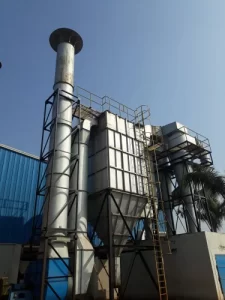
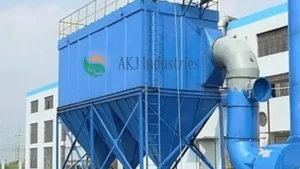
A dust collector is an industrial machine designed to improve air quality by capturing, filtering, and removing dust, dirt, and other airborne particles produced during manufacturing and processing activities. It helps maintain a clean and safe working environment by preventing harmful particles from circulating in the air.
Industrial Dust Collector
Industrial Dust collectors are widely used in industries like woodworking, metalworking, pharmaceuticals, cement, food processing, and chemicals, where large amounts of dust and fine particles are generated.
These systems typically include ducts, a filter unit, a blower, and a collection bin. The blower creates suction, pulling contaminated air through the ducts into the filter unit. The filters trap dust and allow clean air to pass through, while the collected dust is stored in a hopper or container for safe disposal.
How a Dust Collector Works
A dust collector works by capturing dirty, dust-filled air from industrial processes, filtering it, and then releasing clean air back into the environment. The process happens in a few simple steps:
- Dust Capture: Dust, fumes, or fine particles generated during operations like cutting, grinding, mixing, or sanding are collected through hoods, ducts, or suction points placed near the source.
- Airflow into the System: A powerful blower creates suction that pulls the contaminated air through ducts into the dust collector unit.
- Filtration Process: Inside the unit, the dirty air passes through filters (such as bag filters, cartridge filters, or cyclones). These filters trap dust particles, allowing only clean air to pass through.
- Dust Separation: Larger and heavier particles fall into a hopper or bin, while fine dust sticks to the filter surface. Many modern dust collectors use pulse-jet cleaning or shaking systems to remove dust from the filters, keeping them efficient.
- Clean Air Release: After filtration, purified air is either returned to the workplace or vented outside, depending on the system design and industry requirements.
- Dust Disposal: The collected dust is safely stored in containers, making it easy to dispose of without polluting the environment.
Why Are Industrial Dust Removal Important?
- Protect worker health by reducing exposure to harmful airborne particles.
- Prevent damage to machinery caused by dust accumulation.
- Improve overall air quality in industrial spaces.
- Help companies meet environmental and safety regulations.
- Increase productivity by creating a safer, cleaner workspace.
Conclusion:
As a leading dust collector manufacturer, we provide high-quality, durable, and reliable industrial dust collectors that ensure the best performance. These systems are essential for industries where dust particles and airborne contaminants are present in large quantities, helping to maintain clean air, protect workers’ health, and improve overall efficiency.
For reliable and advanced dust collection solutions, Akj Industries offers a wide range of systems according to different industrial needs. With expertise in designing efficient air filtration systems, Akj Industries ensures cleaner, healthier, and safer workplaces.